
Conditions

Cardamoms
Herbs, Conditions, Organic

Unlock the Power of Cardamom : Discover Its Health Benefits and Uses

Cardamom became known in ancient times as the “queen of spices,” and it remains one of those spices prized for its aromatic flavor and many health benefits. It has been used in food preparations and ancient medicine because it’s so full of nutrients and bioactive compounds that are related to health in general. Here’s an in-depth look at some impressive reasons for maintaining cardamom in your diet. 1. Digestive Health Cardamom has gained great success for its digestive properties. It promotes the secretion of enzymes related to digestion and therefore helps enhance the efficiency of the digestion process. It efficiently relieves bloating, gas, and heartburn, which are some very major symptoms of indigestion. The carminative properties of this spice reduce flatulence and support smooth digestion. 2. Anti-Inflammatory Properties The anti-inflammatory properties of cardamom make this spice very helpful in reducing inflammation within the body. It contains active compounds such as terpenoids and flavonoids, which help alleviate inflammation and pain. Regular intake helps in the reduction of chronic inflammatory diseases such as arthritis. 3. Antioxidant Benefits Cardamoms contain high levels of antioxidants, including phenolic compounds and flavonoids, which help protect the body from oxidative stress and free-radical damage. Antioxidants reduce the risk of chronic diseases such as heart disease and cancer. Through the process of neutralizing free radicals, cardamom contributes to overall health and slows down ageing. 4. Heart Health Cardamom has some bright prospects in cardiovascular health. It brings down blood pressure by acting as a diuretic, thereby lightening the load on the heart. Other than this, cardamom improves blood circulation and reduces the risk of blood clots. However, because of its antioxidant properties, it does help shield the heart against oxidative damage and promotes overall cardiovascular well-being. 5. Respiratory Health It is expected to hurt respiratory health via inflammation and oxidation, and to this effect, cardamom proves quite effective. The spice works on the mucous membranes, soothing them to allow easy breathing and hence relieving conditions such as asthma, bronchitis, and others. In addition to anti-inflammatory and antioxidant activity, this spice possesses expectorant properties that enable the expulsion of mucus from the airways and, in turn, improve respiratory function. 6. Oral Health . The main reason cardamom is used for is its excellent antimicrobial properties over other areas, especially against oral infection. Cardamom’s ingredients kill bacteria in the mouth and even halt the process of generation of foul odorous compounds that are responsible for bad breath. Given that it prevents the development of bacteria, chewing cardamom seeds might decrease dental caries and infections in the gums and other tissues of the mouth cavity, thus maintaining healthy teeth. 7. Blood Sugar Control Cardamom shall regulate Blood Sugar Levels: It has been realized that studies show this spice enhances one’s insulin sensitivity and, at the same time, lowers blood sugar levels. Thus, it helps people suffering from diabetes. Adding cardamom to your diet will help in keeping blood sugar level under control and decrease the potential risk of further diabetic complications. 8. Detoxification Cardamom detoxifies the body by supporting the natural detoxification body processes. It acts on the liver to improve its functioning and clears all the impurities from the body. This spice has a diuretic nature, hence increasing urination, allowing waste products to come out via urination. It also reduces the workload of the liver and kidneys to work less. Regular intake of the spice can ensure a sift and healthy detoxification system. 9. Weight Management It can be said that cardamom might do so by increasing metabolism and raising one’s ability to burn fat. The spice improves digestion, reduces water retention in the body, and supports a healthy weight. Adding cardamom to your diet will help you in weight loss as well as maintaining a healthy body mass. Final Words It is multitalented in its constitutive nutrients and the varying degrees of health benefits associated with digestion, functions related to cardiovascular and respiratory systems, and many others. This much-debated health benefit finds justification in scientific research. Incorporating cardamom into your diet seems to be a healthy way of modifying general health and well-being.


nasal polyps
Organic, Conditions

Nasal Polyps : क्या है इसके पीछे का कारण और सही इलाज

Nasal Polyps : नोजल पॉलिप्स एक ऐसी बीमारी है जो किसी भी उम्र के लोगों पर हावी हो जाती है। इस बीमारी में नाक के अंदर छोटी सी मांस की गांठ बन जाती है। जैसे-जैसे नाक में बनने वाली गांठ का साइज बढ़ता रहता है। सांस लेने में और सूंघने में समस्या होती है। इतना ही नहीं, नासिका मार्ग में होने वाली नॉन कैंसरस ग्रोथ होती है जो एलर्जी अस्थमा या इन्फेक्शन की वजह से होती है। इस बीमारी से आज दुनिया भर की पॉपुलेशन का एक बड़ा हिस्सा इफेक्ट हो रहा है। नोजल पॉलिप्स के कारण 1. यह एक एलर्जिक राइनाइटिस या फिर साइनस इन्फेक्शन की वजह से हो सकती है। 2. अस्थमा पीड़ित लोगों को नोजल पॉलिप्स होने की पोसिब्लिटी ज्यादा बनी रहती है। 3. अगर परिवार में किसी को नोजल पॉलिप्स पहले से हुआ रहता है तो आप भी से इफेक्ट हो सकते हैं। नोजल पोलिप्स के लक्षण 1. नाक बंद हो जाना सांस लेने में दिक्कत होना। 2. लगातार नाक का बहना 3. गंध महसूस ना होना 4. नींद की समस्या 5. गले में बलगम आना नोजल पॉलिप्स की जांच 1. इस बीमारी की जांच करने के लिए डॉक्टर नासिका मार्ग की टेस्ट किया जाता है। 2. पॉलिप्स का साइज और जगह देखने के लिए सीटी स्कैन किया जाता है कई केसेस में एमआरआई तक किया जाता है। 3. इस दौरान एलर्जी की पहचान की जाती है जिसकी वजह से क्रॉनिक स्वेलिंग हो सकती है। नोजल पॉलिप्स का इलाज 1. इलाज के रूप में सूजन को कम करने के लिए कॉर्टिकोस्टेरॉयड्स दिए जाते हैं। जब आपको आराम नहीं होता तो आगे का प्रोसेस किया जाता है। 2. जब दवाओं से कोई असर नहीं होता तो इसका साइज बढ़ता जाता है इसके बाद सर्जिकल प्रोसेस की जाती है।  

rosemary oil
Herbs, Conditions

Unlock the Benefits : How to Use Rosemary Oil Effectively

Rosemary oil is obtained from the fragrant herb of rosemary. This herb is a staple that is used both in culinary and medical traditions dating back centuries. It’s adored not only for its amazing smell but also for the host of health benefits. Whether it be enhancing your beauty routine, improving the health of your locks, or merely adding a touch of nature into your daily life, rosemary oil has many versatile uses. Read on for the means to incorporate this powerhouse essential oil into your daily routine. Rosemary Oil Rosemary oil extracts are from the rosemary plant’s leaves, growing in the Mediterranean region. Renowned and loved for stimulation, soothing, rejuvenation, and being rich in antioxidants, this natural wonder is rich with anti-inflammatory compounds as well as nutritional elements. It can benefit your hair, skin, and overall well-being in many multiple ways. Let’s dive deeper into its various uses and how you can benefit from this natural wonder. Improving Hair Health Rosemary oil is probably used the most for promoting hair growth and health. It is usually claimed to grow thinning hair and to fight dandruff. Hair Growth Stimulation It also helps to stimulate blood flow toward the scalp, thus energizing hair growth. To use, mix some drops of rosemary oil into carrier oils like coconut or jojoba oil. Massage this blend into the scalp for some minutes before rinsing your hair completely. With regular use, you will start to see thicker and healthier hair. Treatment of Dandruff Antimicrobial properties are also inherent in rosemary oil, making it a great solution to cure dandruff. Add a few drops of rosemary oil to your shampoo and wash your hair as usual. This not only helps reduce dandruff but also leaves your hair smelling fresh and clean. Skincare Benefits Rosemary oil is anti-inflammatory and antiseptic; therefore, it is beneficial in arresting skin problems, soothing irritations, as well as healing lots of different skin disorders. Reducing Acne Rosemary oil assists in relieving acne by killing bacteria and lowering inflammation. It should be mixed with a carrier oil and applied to the affected skin. This can help get rid of acne and prevent future breakouts. Anti-Aging Properties Rich in antioxidants, rosemary oil can truly help fight free radicals leading to ageing. Add a few drops of rosemary oil to your moisturizer or serum. Application regularly will help in the noticeable reduction of fine lines and wrinkles, giving the skin a youthful appearance. Aromatherapy and Clear Mind Rosemary oil is said to activate fumes that boost mental clarity, focus, and enhancement of mind capacity. Improving Memory and Focus Rosemary oil can be inhaled to enhance memory and concentration. Just mix a few drops of rosemary oil into a diffuser or simply sniff from the bottle. This may be more useful during study sessions or when you need to focus at work. Stress Relief Rosemary oil is calming and can also reduce stress and anxiety. If a person mixes a few drops with a carrier oil, they can use it for an old-fashioned, relaxing massage. Alternatively, adding a few drops into one’s bath and having that refreshing soak calms the mind and body, taking the stress and tension away. Culinary Uses Flavoring Food A few drops of rosemary oil may be added to meats, soups, and stews to infuse them with more flavor. Always use food-grade rosemary essential oil; moreover, add a few drops only since the flavor is very strong. This will add a unique taste to your dishes. Household Applications Rosemary oil may also be used in the home for cleaning and deodorizing items. Air Freshener Mix a few drops of rosemary oil with some water in a spray bottle and spray to get an natural air freshener. This can make your home smell clean and fresh without the use of synthetic fragrances. Cleaning Surfaces Due to its antimicrobial properties, rosemary essential oils are quite often included as an active ingredient in formulations for natural cleaning products. Just add a few drops of it to the cleaning solution that you regularly use, or make a solution yourself using vinegar and water mixed with some drops of rosemary oil. This is extremely effective for disinfection and it smells great on surfaces. Safety Precautions While the rosemary oil has all these benefits, it also needs to be taken care of properly. Dilution Always make sure you dilute rosemary oil in a carrier oil before applying to the skin. A general rule is mixing about 10-12 drops of rosemary oil per ounce of carrier oil. Patch Test It is always best to ensure that a patch test is conducted before applying rosemary oil to the skin for possible allergic reactions. Just place a small amount of the diluted oil on your forearm and wait for at least 24 hours for any irritated responses. Pregnancy and Health Conditions During pregnancy, nursing, or under any other health condition, it is good to consult a health professional before using it as rosemary oil could interfere with some medications and health conditions. Using Rosemary Oil: Embrace the Versatility Rosemary oil, one of the most versatile and powerful oils, indeed enriches your beauty routine by not only helping but also adding flavor to your food. You will experience the features of rosemary essential oil in your daily routine, from hair growth and acne reduction to increasing clarity of mind and enhancing the cleanliness of your home. Always remember to use it safely by diluting it and doing a patch test. Harness the natural power of rosemary oil for a host of different applications that can enhance your life.  

Benefits of Clay Pot Water
Conditions, Culinary

Benefits of Drinking Water from a Clay Pot

Drinking water stored in a clay pot is an age-old practice. Apart from the nostalgia associated with this simple habit, several health benefits of clay pot water come along with it which modern lifestyle very often ignores. So let’s delve into the benefits of using clay pots for drinking water and why it’s worth reaching out for this age-old practice once more. In a world where everything is stored in plastic and glass containers, the clay pot is an easy reminder of ancient times. Human beings did not use earthen pots just due to their easy availability during the ancient era; however, it has incredible health benefits too. If you, too, store water in pottery, then it can add a small but dramatic change to your schedule—a connection towards nature and well-being. Benefits of Clay Pot Water Natural Cooling Properties The natural cooling property of water is one of the most talked-about benefits of clay pots. Unlike refrigerators, which cool water at really cold rates, clay pots have the facility to cool water gently and slowly to lukewarm or cold. This cooling is natural; the water slowly seeps through the porous walls of the pot, thus cooling the remaining water inside. That naturally cooled water is mild on the throat, just what one may fancy on hot summer days. Improves Metabolism The nature of clay pots is alkaline, which means the pH of water in them neutralizes the acidity of our bodies. This property of alkaline water is beneficial for amping the metabolism. Regular intake of clay pot water will help with maintaining the pH level to the best of health, and a balanced pH level ensures proper digestibility and, thus, better health. Good on Throat Do you feel that chilled water from your fridge hurts your throat? However, water from the clay pot is chilled organically and doesn’t shock our system. It provides refreshingly cool drinks that are easy on the throat and thus reduce the potential for throat infection and cough. Retains Essential Minerals Clay pots are made from natural earth, which is rich in various minerals like calcium, phosphorous, iron, and magnesium crucial for the body. The water gets these minerals when stored in a clay pot, and then it imparts these values to the water. The subtle infusion of minerals, then, could be added to your daily intake and hence supports many functions of the body. Improves Digestion Clay pot water is considered to help in proper digestion. The pH degree of water is balanced as it interacts with the alkaline nature of clay. The proper pH in water helps in relieving common digestive problems such as acidity, gas, and bloating. The water that can be stored in clay pots thus can be a very simple but efficient method for improving digestive health. Eco-Friendly and Sustainable Clay pots are eco-friendly, and that too is within the scope of a special emphasis today on sustainability in every regard. Considering that clay pots break down naturally and are effective on the environment, they do not cause pollution the way containers of plastic and other materials do. The preference for clay pots keeps up the traditional artist’s culture and sustains the process of introducing sustainable living. Inexpensive and Affordable Clay pots are extremely cheap and are found pretty much everywhere. Unlike the fancier water purifiers and cooling systems, clay pots offer a very cheap and affordable approach to drinking fresh, cool, and mineral-rich water. Hence, for everybody, accessibility should not pose a problem in terms of affording and starting this good habit. Antimicrobial Properties Some recent studies suggest that clay pots may have intrinsic antimicrobial properties. The pots would thus kill potentially harmful bacteria and pathogens. Clay pots cannot purify water, in a modern sense, but are a complement to all modern methods of water purification to add that extra layer of safety. Promotes Hydration Water stored in an earthenware pot tastes distinct and welcoming, made to accept much more in your body. The subtle earthy flavor can make drinking water more enjoyable, promoting better hydration. Staying hydrated offers you energy and lets your mind bathe in alertness all day long with plenty of health entering the skin. Besides, there is also some traditional wisdom that endorses it along with a little modern science. The Indian system of medicine, Ayurveda, is par excellence in recommending clay pots. To say many of these traditional claims have now been validated from modern research would be an understatement, and the evidence points to the many health benefits of this ancient practice. Easy Maintenance Proper maintenance of a clay pot is not a hard task. It just involves cleaning it up every day with natural products such as lemon and baking soda to ensure it is free from all types of residues. Do not use chlorine or strong chemical substances, as they get absorbed throughout the porous nature of the pot. Being able to perform these very easy steps, your clay pot can be kept clean and always ready for use. Aesthetic and Cultural Value Beyond health benefits, clay pots add an aesthetic appeal to your home. Their rustic charm and cultural significance make them more than just functional items. They represent a connection to our roots and a respect for traditional practices. Incorporating clay pots into your home decor can bring a touch of elegance and history to your space. Embrace the Benefits of Clay Pot Water Drinking water from a clay pot has a thousand benefits other than just hydration: from natural cooling and metabolism to digestion and sustainability. Embracing this practice brings one closer to a fit and balanced life and a reconnection with the outside world as per ancient wisdom. So next time, when you take a sip of water, do remember the humble clay pot, an age-old solution with eternal benefits.

Benefits of Ashwagandha
Conditions, Herbs

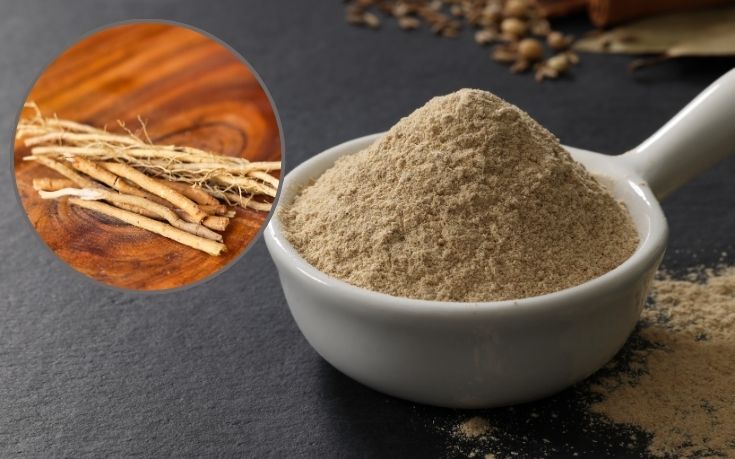
Benefits of Ashwagandha : बीमारियों के लिए रामबाण है अश्वगंधा, फायदों के साथ नुकसान पर भी करें गौर

Benefits of Ashwagandha : जड़ी बूटियों में सबसे शक्तिशाली माना जाने वाला अश्वगंधा का पौधा भारत के लगभग हर क्षेत्र में पाया जाता है। इसे बहुत ही उपयोगी जड़ी बूटियों में से एक माना जाता है। अश्वगंधा पौधों के हर अंग( फल, फूल तथा पत्तियां) का सेवन किया जाता है। अश्वगंधा का पौधा मुख्यत: झाड़ियों जैसा होता है जो आपको खेत या सड़क किनारे देखने को मिल जायेंगे। अश्वगंधा के फल मटर जैसे उगे होते हैं जिनके ऊपर जाली जैसा कवर चढ़ाया गया होता है । फल पकने के बाद लाल टमाटर जैसे हो जाते हैं। अश्वगंधा के फायदे अनेक हैं आइए जानते हैं अश्वगंधा के फायदे •अश्वगंधा सभी दवाइयों में सर्वश्रेष्ठ है । इसका उपयोग हर कोई कर सकता है। बड़े ,बुजुर्ग , नौजवान सभी इसका सेवन कर सकते हैं। •अश्वगंधा की पत्तियों से कई प्रकार की दवाइयां बनती है जो हमारे शरीर से बीमारियां दूर करने में मदद करती हैं। •अश्वगंधा चूर्ण हमारे शरीर को स्वस्थ बनाए रखने में मदद करता है और इसका नियमित सेवन व्यक्ति को तनाव और अवसाद से छुटकारा भी दिलाता है। •अश्वगंधा पुरुषों की ताकत, सहनशक्ति और प्रजनन क्षमता में सुधार करता है। यह mental stress को कम करने और प्रतिरक्षा प्रणाली को मजबूत करने में मदद कर सकता है। •अश्वगंधा शरीर के हर रोग की दवा है इसकी पत्तियां शरीर को मोटापे जैसे गंभीर समस्या से छुटकारा दिलाने में मदद करती है। अश्वगंधा के पत्तों के नियमित सेवन से बढ़ते वजन को कंट्रोल में रखने में काफी मदद मिलती है। अश्वगंधा के नुकसान अगर अश्वगंधा के फायदे है तो नुकसान भी बहुत हैं। किसी मायने में यह फायदेमंद है तो कभी इसका ज्यादा उपयोग शरीर को हानि भी दे सकता है।आइए जानते हैं क्या है इसके नुकसान •अश्वगंधा का प्रयोग से नींद अच्छी आने लगती है लेकिन इसका लगातर और जरूरत से ज्यादा सेवन करने से बहुत अधिक नींद आने लगती है जिसका प्रभाव आपके शरीर और स्वास्थ्य पर भी पड़ता है। •अश्वगंधा चूर्ण का इस्तेमाल लंबे समय से करने वालों पर अन्य दवाइयों का प्रभाव बहुत धीमा या कम पड़ता है । जो की अन्य स्वास्थ जोखिम को बढ़ा सकता है। •अश्वगंधा का प्रयोग मोटापा कम करने के लिए किया जाता है किंतु यह बहुत तेजी से मोटापा बढ़ा भी सकता हैं । इसलिए जो लोग मोटापे से ग्रस्त हैं उनको अश्वगंधा की पत्तियों का इस्तेमाल करना चाहिए। अश्वगंधा का प्रयोग •अश्वगंधा एक ताकतवर जड़ी-बूटी है, जिससे दिल की बीमारी, डायबिटीज, किडनी-लिवर के रोगों को खत्म किया जा सकता है। •अश्वगंधा को दूध के साथ लेना आपके मस्तिष्क स्वास्थ्य को बेहतर करने में काफी ज्यादा लाभकारी हो सकता है। इसको दूध के साथ सेवन करने से याददाश्त क्षमता को बेहतर करने में मदद मिलती है। साथ ही यह फोकस और समग्र संज्ञानात्मक प्रदर्शन को बढ़ाने में आपकी मदद करता है। •याद रहे अश्वगंधा के साथ चाय या कॉफी पीने से बचना चाहिए। अश्वगंधा का सेवन करने के साथ आपको मसालेदार भोजन से भी परहेज करना होगा।

Dengue NS1 test
Conditions, herbal home remedies

Dengue : When should you go for the NS1 test?

The viral infection of dengue fever is a fear-filled mosquito-borne infection that is said to be feared because of the speed at which they attack and the symptoms that come with the attack. Early detection is a major part of management and impact mitigation. The NS1 test is done as one of the best diagnostic technologies towards this respect; however, for how long should you consider an NS1 test? Knowing the right time to go for the NS1 test can drastically alter the management and outcome. Dengue Fever Dengue fever is an acute disease caused by the dengue virus and transmitted through the bite of the infected Aedes mosquito. The disease may vary from mild to severe and is characterized by the sudden onset of high fever, severe headache, pain behind the eyes, pain in the joints and muscles, rash, and mild bleeding. Symptoms usually begin 4-10 days after the mosquito bite. Because these symptoms are very similar to most viral infections, the necessity of differential and timely diagnosis becomes imperative. Early Detection is Key Early detection of dengue fever has a big difference in terms of treatment and recovery. With this, the NS1 test comes in. The NS1 test, otherwise known as the nonstructural protein 1 test, identifies the presence of the NS1 antigen of the dengue virus in the blood. The amount of this antigen produced by the body can reach quite a high level during the onset of the infection, which makes the test pretty effective during the first few days of illness. Dengue Fever: Identification of Symptoms in the Early Stages Conduct NS1 testing if you, or someone you know, display further symptoms, such as high fever, severe headache, pain behind the eyes, muscle and joint pains, nausea, vomiting, or skin rash. These signs often are sudden in onset and escalate rather quickly. Because the disease progression is fast, it is wise to consult with a doctor early. Best Time to Test The NS1 antigen can be detected from the first day of fever until about day 5-7. The effectiveness of this means of detection makes the NS1 test to be very useful in early diagnosis. For any suspicion of symptoms, you could always get the NS1 test done. In this way, early testing will, with great certainty, confirm the dengue virus, thus enabling any healthcare service provider to start the management involved immediately. Differential Diagnosis with Other Diseases In endemic regions for dengue, there are a variety of other febrile illnesses, which can manifest in an almost similar way to dengue. These are differentiated by the NS1 test, thus allowing for specific treatment. If treatment is not specific or there is a delay in diagnosis, then there are more chances of making the condition worse by inappropriate handling. Advantages of NS1 Test One of the major advantages of the NS1 test it is very rapid and accurate. With the conventional antibody tests, the test is made based on a rise in the immune response of the body, which takes a while. On the other hand, the NS1 test looks out for the virus itself and hence gives it results in a matter of hours. This quick response is indeed helpful in ensuring early treatment, which consequently prevents complications and enhances recovery. Virus Serotype Tracking The NS1 test can differentiate between the four serotypes of the dengue virus. This information is very important for care providers and public health professionals so that outbreaks can be followed carefully and measures of control can be initiated. With a known serotype in circulation, better strategies can be developed for the prevention of the spread of dengue. In the meantime, more importantly, detection in those at risk for severe dengue is achieved by usage of the NS1 test. Severe dengue, on the other hand, leads to causes of remaining plasma leakage, accumulation of fluid, respiratory distress, severe bleeding, and organ impairment. Its early diagnosis will enable healthcare providers to carefully monitor and give supportive care to patients enrolled, thus preventing the progression of severe dengue. Limitations of the NS1 Test Though the NS1 test is highly effective in the early stages of dengue, it comes with a caveat. It has a declining accuracy after the first week of infection since the levels of the NS1 antigen are depleted in the blood. Therefore, if the symptoms continue beyond even five days, it is suitable to recommend a patient for further tests in the form of IgM and IgG, among others. These may further aid in the identification of the problem and possibly provide a treatment solution. Access and Availability Other factors include the availability and accessibility of the NS1 antigen to the test in differing regions and forms of healthcare setup. It could be weakly accessible and therefore may cause a delay in diagnosis that could have been made on time. In case one notices symptoms of this condition, he or she should consult a medical advisor and present a test option which is the most accessible to a care provider. Preventive Measures and Public Awareness Positive Solution: Besides early testing, preventive measures significantly help manage dengue fever. Reducing mosquito exposure by using insect repellent, wearing protective clothes, and using mosquito nets will help prevent infection. Reducing mosquito breeding grounds by getting rid of stagnant water and maintaining a clean surrounding also cuts the risk of dengue transmission down. Community Education Increased public awareness and community education on dengue fever and the importance of early testing are needed. Communities in dengue-endemic areas must be educated on the symptoms, preventive measures, and prognosis of this ailment. Healthcare authorities should advocate making healthcare facilities capable of running the NS1 test and returning results to patients in time. Timing is Everything Early detection and timely intervention are the two mainstays for the control of dengue. In such a situation, with the early action needed to identify the virus on the initial days of its spread, the NS1 test remains a valuable tool. During

ovarian cancer
Conditions, herbal home remedies

Demystifying Ovarian Cancer : Causes, Symptoms, Treatment, And Prevention

Due to its silent nature of symptoms and late diagnosis, ovarian cancer has long been referred to as the “silent killer.” It is a very serious health problem due to the subtle nature of the symptoms—late diagnoses are almost the rule. Causes, symptoms, treatment, and preventive measures of ovarian cancer need to be duly known to ensure early detection for a better prognosis. Ovarian Cancer:Causes Their main causes include the following: Genetic Mutations Inherited mutations in the BRCA1 and BRCA2 genes raise by up to 53% the risk of ovarian cancer and by up to 87% the risk of breast cancer. Another genetic condition that increases the risk is a family history of Lynch syndrome. Family History A family history of ovarian cancer increases the likelihood of developing the disease. Hormonal Factors Being never pregnant and hormonal replacement after menopause are some of the risk factors. Age and Obesity The incidence of ovarian cancer increases with advancing age. Moreover, over 50 percent of cases are diagnosed in women who have attained menopause. Being obese is also a risk factor . Endometriosis This is a condition in which tissue similar to the lining of the uterus grows outside it and can increase the risk of ovarian cancer. Ovarian Cancer Symptoms The symptoms of ovarian cancer can be very non-specific and may mimic other conditions. Important symptoms include: Abdominal bloating and swelling that persists Pelvic or abdominal pain Difficulty eating or feeling full quickly Frequent urination. or changes in bowel habits Fatigue and unexplained weight loss Pain during intercourse Changes in menstrual cycles Early detection is difficult because most of these symptoms are also the symptoms of many other conditions, but if they persist or grow worse, one should consult a doctor. Diagnosis of Ovarian Cancer Diagnosis of ovarian cancer is usually done through: Pelvic Examination A physical examination for any anomalies. Imaging Tests. Ultrasounds, CT scans, and MRIs to identify tumors. Blood Tests The CA-125 blood test, which measures protein levels, is usually high in ovarian cancer patients, though not always definite . Surgical Evaluation Laparoscopy or laparotomy—visually inspecting the ovaries to remove tissue for biopsy . Treatment Options The treatment for ovarian cancer usually consists of a combination of surgery and chemotherapy based on the extent of the disease. Ovarian Cancer : Surgery Removal of as much cancer as possible is most frequently conducted through surgical intervention. Surgery usually includes the removal of one or both ovaries and/or fallopian tubes and the uterus, along with other tissue affected by the Cancer. Chemotherapy The backbone of drug treatment after surgery to kill remaining cancer cells is chemotherapy. It can be given intravenously or directly into the abdomen (intraperitoneal chemotherapy). Targeted Therapy This is a treatment where drugs are designed to perform a targeted attack of cancerous cells, hence leaving the normal ones intact. Classic examples of common targeted therapies against ovarian cancer include PARP inhibitors and angiogenesis inhibitors. Hormone Therapy Those cancers which utilize certain hormones in their general growth normally retard their progression by blocking these hormone receptors. Radiation Therapy This is less frequent but applied in selected instances wherein radiation targets and kills cancerous cells. Prevention Strategies While there is no definite way of preventing the onset of ovarian cancer, the following strategies will help reduce risk: Genetic Counseling and Testing If one has a family history of ovarian or breast cancer, genetic testing for BRCA mutations can be shown for themselves. Preventive surgery, prophylactic oophorectomy, may be entertained for risk reduction. Oral Contraceptives Long-term use of birth control pills may reduce the risk of ovarian cancer VAR 026. Healthy Lifestyle Maintaining a healthy weight, avoiding smoking, and reducing the use of hormone replacement therapy post-menopause can reduce risk. Final Words Ovarian cancer remains a potential threat to health, being a disease with vague symptoms and mostly late diagnosis. Knowing the risk factors, symptoms, and treatments may help a woman seek advice and timely interventions by doctors. By raising awareness about this silent killer, therefore, we are helping in its early detection and thereby improving outcomes, providing hope to many who suffer from this dreaded disease.

Quinoa
Conditions, Recipes

Quinoa : The Nutritious Grain & 6 Wholesome Yummy Ways To Enjoy It

Quinoa has become a sort of frenzy in the world of health food, and this is not without reason. This primordial grain, first grown by the Incas in the Andes, is one of the few foods that are dense in nutrients in all ways, making it quite fabulous to be added to any diet. Unlike most grains, quinoa is a complete protein, meaning that it contains all nine essential amino acids. It’s also rich in fiber, vitamins, and minerals. Quinoa has something for everyone—whether adding a little extra protein to your diet, improving digestion, or simply enjoying a versatile food that’s full of flavor. Let’s jump right into six healthy ways to enjoy this nutrient-dense grain. Quinoa: Nutritional Powerhouse Of all foods, only quinoa stands out with its phenotypic nutrition. There is some protein and complex carbohydrates, so it is particularly great for vegetarians and vegans. In addition, quinoa is a good source of dietary fiber, which helps to improve digestion and makes one feel full—this would contribute to weight management. But what’s even better is that this food is rich in some basic but very important minerals: magnesium, iron, and potassium. These elements are involved in many important processes inside the human body: from muscle contraction to delivering oxygen. Quinoa is gluten-free; thus, this grain will be fine and digest comfortably in the stomach for those who suffer from gluten intolerance or have celiac disease. This grain is versatile in a kitchen, perfect for salads, soups, or breakfast bowls. The nutty flavor it imparts blended with the bare crunch of its texture, gives an element of pleasure to one’s meals, which easily fits into one’s diet. Quinoa Salad: Refreshing Healthy Meal One of the most popular quinoa recipes is quinoa salad. The quinoa salads are refreshing and very nutritional. First, cook your quinoa according to the instructions on the package. After it cools off, mix it with raw and mixed vegetables like cucumbers, tomatoes, and green peppers. This should be topped off with some chopped herbs like parsley or cilantro. Including beans or a can of chickpeas adds protein to the quinoa salad. Dress your quinoa salad perfectly with a simple vinaigrette made of olive oil, lemon juice, and just a hint of honey. Season with salt and pepper to taste. This could be great for a light lunch or as a side dish during dinner. The quinoa, mixed with fresh vegetables and a tangy dressing, is going to leave your body satisfied and nutritionally full. Quinoa Breakfast Bowl: The Right Start for the Day Not just for lunch and dinner, quinoa can become a fantastic addition to your breakfast. Be prepared to cook quinoa with milk or plant-based alternatives until creamy. Give it a sweet touch by adding a little honey or maple syrup. Top your quinoa bowl with fresh fruits, such as berries, and sliced bananas, and sprinkle some nuts or seeds. This breakfast not only tastes great but also helps one feel full, energized, and flowing constantly to kick off a morning.The quinoa protein and fiber will keep you full, while the fruit’s natural sugars bring on that quick energy boost you need to get going. Feel free to experiment with different toppings and flavors to create your ultimate combination. Quinoa Stuffed Peppers: A Flavorful Main Course A Main Course: Stuffed Peppers with Quinoa A good main course, it will not leave any stomach growling thanks to the fullness and flavor that it has. Cut the tops off the peppers, drain them of seeds, cook quinoa, and mix it with sautéed vegetables, beans, and your favorite spices. Stuff the peppers with the quinoa mixture and bake until the peppers are tender. Not only is this a beautiful dish but it’s also nutritionally dense. The quinoa, mixed with vegetables and beans, provides an excellent amount of protein, fiber, and vitamins to pump one full of energy and freshness. It may be an awesome way through which you can add more veggies to your diet and enjoy a lovely and full meal. Quinoa Soup: A Comforting and Healthy Alternative Quinoa soup is very comforting and healthful, particularly in the dead of winter. Just sauté onions, garlic, and your favorite veggies in a good-sized pot. Add broth, bring to a boil. Stir in quinoa and let cook until quinoa is done. Season with herbs and spices to taste. This soup is not only warm and comforting but also very nutritious. The quinoa provides a nice heartiness to the soup, which raises the protein inside it. This is a great way to use any leftover vegetables that otherwise are going to be thrown away, so just mix them up together in this nice, comforting meal that your entire family will be feeling in love with. Quinoa Patties: Tasty and Healthy Snack Quinoa patties are yummy and healthy—the perfect snack or starter. Just cook quinoa and mix it with grated vegetables of your choice, preferably carrots and zucchini, adding eggs and breadcrumbs for bonding. Season them with herbs and spices that you like. Then, shape the mixture into patties, and cook in a hot skillet until they’re golden brown on both sides. These patties are perfect for a quick snack or light meal while being served with a dipping sauce or in a sandwich where they will make an incredibly wholesome twist in nutrition value. When quinoa is combined with veggies like these, the results bear nothing short of a heavenly way one can get in their veggies and feel good, too. Quinoa Pudding: A Delightful Dessert Quinoa pudding—isn’t it a sweet dessert delight, and above everything, so healthy? Cook quinoa in milk with a dash of sweetener and vanilla extract until creamy. Let cool and serve with a topping of fresh fruits or a sprinkle of cinnamon. This pudding is a great treat to quench your sweet tooth while still getting in some wonderful nutrients. Quinoa adds protein and fiber, while milk provides calcium and vitamin D. There is

Lung Cancer Treatment
Organic, Conditions

Breakthrough In Lung Cancer Treatment, Study Finds

Lung cancer has topped the list of the deadliest cancers; recent breakthroughs in lung cancer treatment have infused hope into the hearts of patients as well as healthcare providers. This explains several such promising breakthroughs in lung cancer treatment, forming the base for new therapies and their probable effects on the fates of patients. Lung Cancer Treatment: Therapies Medical researchers at Memorial Sloan Kettering Cancer Center, MSK, have made major strides in treating patients affected by the dreaded lung cancer using combination therapies. At the 2024 American Society of Clinical Oncology, ASCO, annual meeting, results from clinical trials presented by scientists indicated promising results when the combination of sotorasib, and Lumakras with chemotherapy drugs carboplatin and pemetrexed was used. Sotorasib, a precision medicine targeting KRAS-G12C gene mutation in non-small cell lung cancer, showed outstanding efficacy as part of first-line treatment combined with chemotherapy. The response rate was 65% for first-line patients, significantly improving progression-free survival by almost 11 months. Sunvozertinib: A New Frontier in EGFR Exon 20 Mutations Sunvozertinib is a next-generation treatment against the EGFR exon 20 insertion mutation in NSCLC and has been given Breakthrough therapy designation by the FDA. This novel drug treats specific challenges that these mutations present to up to 4% of NSCLC patients. In clinical trials, Sunvozertinib had shown a confirmed overall response rate of 60.8%, so it gives much hope to patients who progressed on first-line treatment. Its ability to target various subtypes of EGFR exon 20 insertion mutations underlines its potential for being a game-changer in treating this complex cancer. Combination therapy improves immune response across many cancers: Research This was another groundbreaking research that led to the conclusion that low-dose radiation combined with immunotherapy works well against NSCLC. Conducted by researchers at Weill Cornell Medicine and Columbia University, the trial demonstrated this combination as, in particular eliciting a major pathologic response—killing more than 90 percent of the cells in removed tumors—during the study. It was shown that this approach not only reduced the recurrence of cancer but also increased progression-free survival in patients. The presence of an activated T cell in the blood of responders marked an enhanced immune response, giving valuable insights into further treatment options. Liquid Biopsies: A Less Invasive Diagnostic Tool One of the most interesting lines of development presented at the ASCO meeting has been that ctDNA, which circulates freely in a person’s blood, could turn out to detect residual lung cancer cells resulting from surgery. Such a non-invasive diagnostic tool will revolutionize post-surgical monitoring for detection at the earliest point, which will allow timely intervention and bring better patient outcomes. Lung Cancer Treatment: Future Increases in treatment for lung cancer point to the escalating importance of the field of personalized medicine. Researchers have made huge strides in making therapies more effective by targeting specific genetic mutations and tailoring them against the profile of a patient. Targeted drugs, such as sotorasib combined with sunvozertinib, along with other treatment modalities, make for a more complete take on lung cancer therapy and increase the chances of getting successful outcomes. A Promising Horizon These breakthroughs in lung cancer treatment discourse for a quantum leap in the fight against this killer disease. Combination therapies, new drugs, immune responses, and non-invasive diagnostic tools—all, each part of integrated equipment providing multi-dimensional flanks against lung cancer. In research moving further, this advance brings renewed hope to cancer patients and entire families—moving humanity up the curve toward more effective and personalized cancer treatment. Staying abreast of developments and continuing to fund further research, we can look forward to a future in which lung cancer is increasingly manageable and ultimately curable. For the present, these new treatments offer a ray of hope in the ongoing fight against cancer. You can find additional information on these studies and treatments from the following sources: Memorial Sloan Kettering Cancer Center, OncLive, and Medical Xpress.  

Kidney Transplants
Conditions, Organic

Beyond Dialysis: Understanding Kidney Transplants And Their Benefits

Kidney health is important to overall well-being, yet millions of people face the reality of kidney failure daily. Though dialysis is a life-saving therapy, many alternatives exist. Kidney transplants offer some other promising substitutes with several advantages.Thus, one can comprehend the intricacies of the kidney transplants procedure and under what circumstances it can enhance the health-related quality of life to allow appropriate decisions about their health in case of kidney failure. Kidney Transplants Kidney transplants are a surgical process where a diseased or deteriorated kidney gets replaced by a healthy one obtained from a donor.The donor may either be living or dead. This surgery began in the 1950s and has been under progressive improvement ever since. Nowadays, it is one of the standard and efficient treatments for end-stage renal disease. First, a matching donor has to be found; this may be a relative or friend, or even someone willing to donate his or her kidney to the recipient.The blood and tissue types need to match. When a matching blood type is found, then comes the step of fixing the date for surgery.Now, in the transplantation process, the donor kidney is placed in the lower abdomen just like hookups to blood vessels and the urinary tract.The recipient’s kidneys are normally left in place unless they’re causing problems of their own. Why Consider Kidney Transplants? Kidney transplantation has several advantages over long-term dialysis. First and most obvious is the fact that a successful transplant reestablishes normal kidney function and eliminates dependence on dialysis. A patient will not have to spend hours a few times every week hooked up to a dialysis machine; rather, they have more independence and flexibility in life. Besides, it is found that kidney transplants gives a better quality of life. Patients had increased energy levels with improved appetite and improvement in general physical functioning. This also carries over to mental health, as the incessant burden of dialysis is physically and emotionally tiring. Kidney Transplants: Improved Longevity Certainly, this is basic and includes one of the most powerful reasons for an individual to live longer: having a kidney transplant. Studies expect that usually, patients who have undergone transplantation usually live longer than patients on dialysis. This might be due in part to the fact that dialysis leans a little more towards being life-supportive rather than replicating exactly what the kidneys are supposed to do. Because of this fact, a transplanted kidney is usually able to filter blood, get rid of waste, and water and electrolyte balance more strongly. Apart from lasting longer, transplanted kidneys usually function better than dialysis in maintaining normal body functions. For example, they regulate blood pressure and maintain bone health—both of which can be very problematic for dialysis patients. Overall, these health improvements might potentially contribute to an increase in life expectancy. Financial Considerations Although there may be a large upfront cost for a kidney transplant, it is generally cheaper in the long run than continued dialysis. More importantly, dialysis requires continuous treatments that are exhausting and financially costly in the long term. Except for the initial transplant and recuperation, most of the costs of this treatment are accounted for by anti-rejection medications and regular checkups. Most of the transplant and related expenses can be covered by insurance, hence making it more accessible to numerous patients. Besides the cost, almost all transplant centers have facilities for financial counseling to help the patient overcome expenditures and seek all possible resources and programs for assistance. Recovery and Lifestyle Changes Recovery from kidney transplants involves a week-long stay in the hospital and, subsequently, close supervision for some months. Patients are required to take immunosuppressive drugs through this period so that their bodies would not “reject” the new organ. Although these medicines are to be used for the remainder of the patient’s life, they ensure that the kidneys that have been transplanted work with normalcy. This will also entail lifestyle modifications to help ensure the long-term vitality of the transplanted organ, including a balanced diet, adequate hydration, no smoking or excess alcohol consumption, and regular exercise. Follow-up continuously is not only for monitoring kidney function over time but also for early identification of possible complications. Possible Risks and Complications Like all major surgeries, kidney transplants are not without risks and hazards. Among them are complications from the surgery itself, including infection and bleeding, and the chances of rejection by the body of the new kidney. While the incidence of rejection has come down significantly in these days of modern immunosuppressive drugs, it is still a possibility that calls for vigilant monitoring and management. Another challenge occurs in the availability of donor kidneys. For each deceased donor kidney, there is usually a long waitlist, and finding matches from living donors could be challenging. This dearth brings out the need for sensitization and enrollment to organ donation. Psychological and Social Impact This will include the psychological and social effects of a kidney transplant, which are immense. Relief from the sufferings of dialysis itself may result in dramatic changes in mental health. Renewed optimism, lower anxiety levels, interest in their social and family lives—many such changes are expressed by patients. Sometimes this improved outlook has a positive cycle of reinforcement that enhances overall health and well-being. The family dynamic can improve as the patient regains his or her independence and reformulates the ability to take part in daily activities. Newly brewed normalcy like this leads to strengthened relationships and provides emotional support, important to one in recovery and generally in life. A New Lease for Life A kidney transplant is capable of delivering, to a great extent, a new lease on life for those suffering from chronic kidney disease. Though full of challenges, potential benefits that compensate for the rigor of this option make it very compelling—Ideal health, increased years, and betterment in quality of life are all advantages of the option. Understanding the process, the benefits and the risks can empower a patient to make decisions rationally and embrace the

Scroll to Top